Silver cigarette case
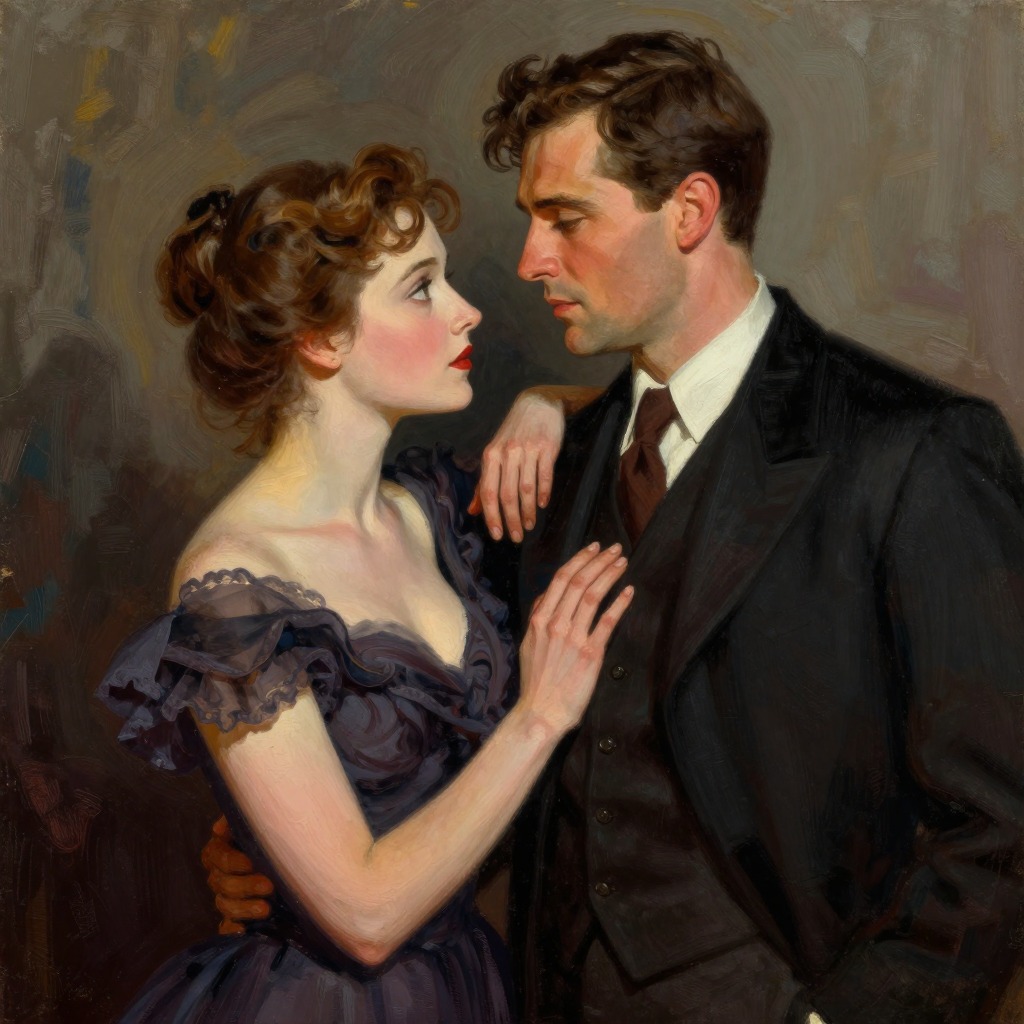
The silver cigarette case is a small, personal object carried by Harold Mitchell (Mitch) that carries an inscription from Elizabeth Barrett Browning's Sonnet 43: "And if God choose, / I shall but love thee better—after—death!" (E01126–E01128). Mitch explains to Blanche DuBois that the case was a gift from a girl who knew she was dying, a "very strange girl, very sweet—very!" . The inscription and the story behind it immediately resonate with Blanche, who recognizes the sonnet as her favorite and declares, "Sorrow makes for sincerity, I think" . The case thus becomes a material link between two people who have both known profound loss: Mitch through the death of the girl who loved him, and Blanche through the suicide of her young husband Allan Grey.
Appearance and First Encounter
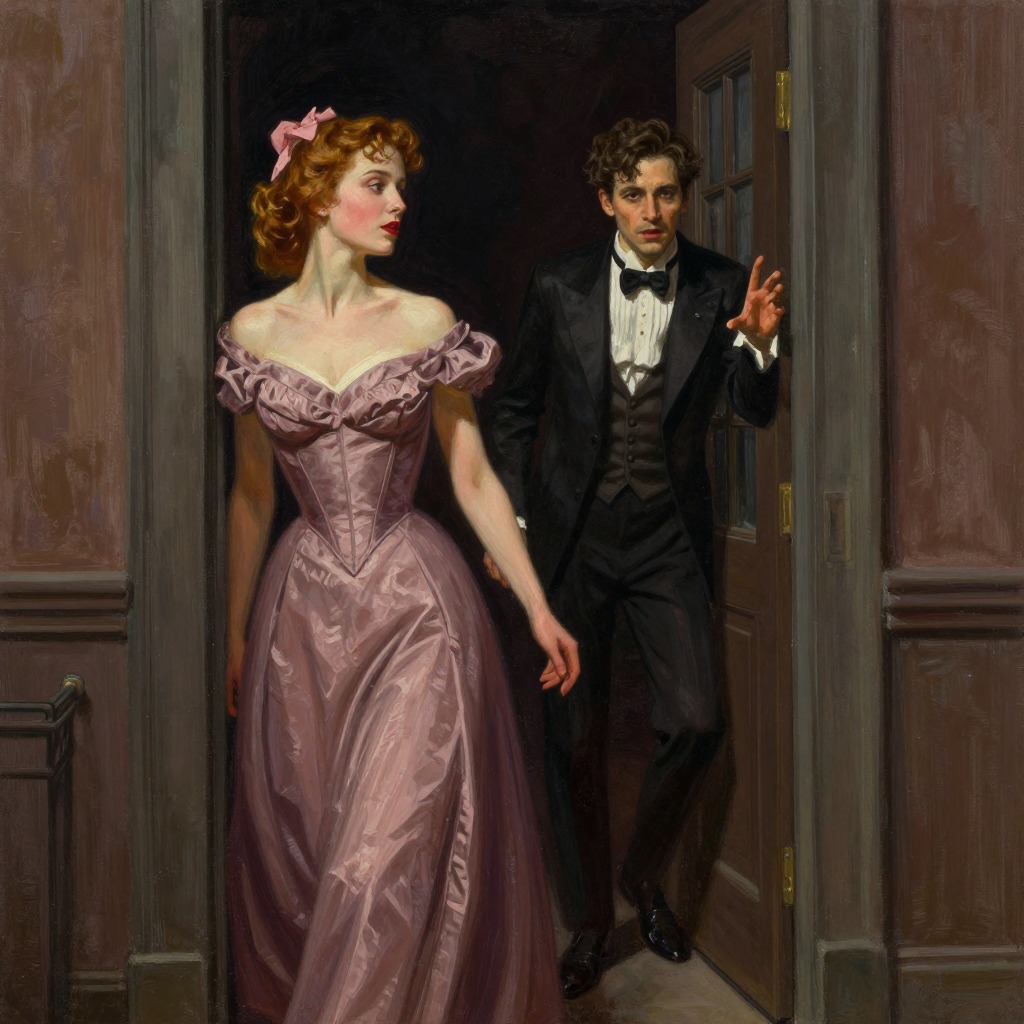
Blanche first notices the cigarette case during the poker night scene, when she and Mitch meet in the bedroom while the men play cards in the kitchen. She asks him for a cigarette, and when he produces the case, she remarks on its beauty: "Such a pretty silver case" . Mitch invites her to read the inscription, and she does so with feigned difficulty, reciting the Browning lines aloud (E01126–E01128). The moment establishes an immediate intimacy between them, as Blanche recognizes the poetry and Mitch reveals the sentimental origin of the object. Later that same night, after Stanley has struck Stella and the sisters have fled upstairs, Blanche and Mitch meet again on the steps outside. Still shaken, Blanche returns to the case: "Such a pretty silver case" . Mitch reminds her that she has already seen the inscription, and Blanche, looking up at the sky, speaks of the confusion in the world before thanking him for his kindness (E01349–E01351). The cigarette case thus appears at two crucial junctures in their developing relationship, each time serving as a touchstone for the vulnerability and sincerity they share.
Symbolic Function and Thematic Significance
The silver cigarette case operates as a concentrated emblem of the play's central concerns with love, death, and the need for tenderness. Its inscription, drawn from a sonnet about love that transcends death, directly parallels Blanche's own story of a young husband who died by suicide and whose memory she still carries. The case is a gift from a dying woman to a man she loved, just as Blanche's love for Allan was cut short by his death. Mitch's willingness to show the case and tell its story reveals his own capacity for deep feeling, which Blanche recognizes and responds to. The object thus becomes a kind of talisman of sincerity in a world of lies and brutality. When Mitch later confronts Blanche about her past and tears the paper lantern off the light bulb, the cigarette case's earlier promise of genuine connection has been shattered. The case remains as a reminder of what might have been—a relationship built on mutual understanding of sorrow—but which is ultimately destroyed by the revelations of Blanche's history and Stanley's interference.
Narrative Role and Evaluation
In the structure of the play, the silver cigarette case serves as a prop that advances the romantic subplot between Blanche and Mitch. It provides a natural occasion for their first extended conversation and allows Blanche to display her literary knowledge and emotional sensitivity. More importantly, it gives Mitch a dimension beyond the rough poker player: he is a man who has loved and been loved by a dying woman, who keeps her gift and remembers her story. The case thus humanizes Mitch in Blanche's eyes and in the audience's, making his eventual rejection of her all the more painful. The object also functions as a piece of dramatic economy, condensing into a single small item the themes of love, death, memory, and the search for sincerity that run throughout the play. Its reappearance in the night scene reinforces the bond between Blanche and Mitch even as the violence of the poker night threatens to overwhelm them. The silver cigarette case is never mentioned again after that night, but its brief presence has already done its work: it has shown what Blanche is looking for and what Mitch, for a time, seemed able to offer.